FAQ
Q: Is Acupuncture Safe?
Yes. Millions of people around the world receive acupuncture safely each year.
Q? Are you needles disposable?
Yes. As required by law, all licensed acupuncturists use pre-sterilized, disposable, single-use needles to ensure your complete safety. We use the thinnest smallest needles possible. Some are thinner than a human eyelash, so thin that they are flexible.
Q: Are acupuncturists fully licensed, credentialed?
Yes. Licensed Acupuncturists are required to complete thousands of hours of acupuncture-related education, pass national board examinations administered by the NCCAOM, be licensed by the state, and registered with the dept of health.
Q: How are acupuncturists trained?
There are fully-accredited acupuncture schools in the U.S. overseen by ACAHM. These schools were established in the 1970/80's. Acupuncture school is graduate-level education that confers a master's or doctoral degree. They include a few thousands of hours and multiple years of both Eastern and Western bioscience coursework:
- The study of multiple types of acupuncture (Japanese, Chinese, Korean, Vietnamese, French, Five Elements, auricular, orthopedic, neuromuscular, AcuDetox, etc)
- Biosciences: Biochem, Org Chem, Biophysics, Anatomy and Physiology, Pathophysiology, Pharmacology, Herbology, Nutrition, Massage, etc.
- Evidence-informed research, best practices, etc.
- Historical, cultural aspects of acupuncture and Traditional Chinese Medicine or East Asian Medicine.
- Clinical observation
- Internship
Q: Are acupuncturists real doctors or physicians?
Licensed acupuncturists in the United States complete either a master’s degree or a professional doctorate in Acupuncture or East Asian Medicine. Those with a master’s degree are not doctors. Those who complete a professional doctoral degree may legally use the title “Doctor” in an academic and professional sense. However, acupuncturists, even at the doctoral level, are not physicians (MD or DO) under U.S. law.
Q: Americans assumes that a doctor is a "MD or DO".
In the U.S., there are many professional doctoral degrees across healthcare, including audiology (AuD), physical therapy (DPT), pharmacy (PharmD), psychology (PsyD), and acupuncture (DAc or DAOM). Holding a doctoral degree confers the academic title of “Doctor,” but the legal designation of physician is reserved for MDs and DOs who attend medical school and complete medical residency.
Dr. Kim clearly identifies herself as a doctor of acupuncture and East Asian medicine, not a medical physician, to avoid public confusion about training, licensure, and scope of practice.
Q: Can you explain acupuncture vs. dry needling?
Practitioners who are not "licensed acupuncturists" ie physical therapists, personal trainers, chiropractors, podiatrists, MD/DOs, often complete an abbreviated or streamlined 100, 200, or 300 hours acupuncture or "dry needling" course and earn continuing education credits or a certificate of completion. They may or may not take an acupuncture-specific board certification examination depending on the state laws in which they practice. If their existing licenses include the ability to perform acupuncture, they usually call it acupuncture or medical acupuncture. If their existing license does not include the ability to perform acupuncture, they usually call it "dry needling".
Q: How does acupuncture work?
Acupuncture works by modulating the nervous system and altering how the brain processes pain and stress. Needle stimulation activates the body’s natural pain-relief chemistry, including endorphins and other neurochemicals, reducing pain without drugs. It also down-regulates the stress response, shifting the body out of fight-or-flight and into a restorative state. This supports better sleep, lowers anxiety and depression, improves circulation and immune function, and accelerates the body’s natural healing processes.
Q: What Does Acupuncture Feel Like? Does it hurt?
Acupuncture is not supposed to hurt for it to be effective. Dr. Kim is a seasoned practitioner and performs acupuncture on babies, children, and adults, so that it is pain-free, and relaxing. You may feel a light touch or a gentle pressure. After the needles are in, you may enjoy a warm, cozy, flow of energy all throughout your body. Some people relax so much during the treatment that they take a short nap, which often feels like a longer rejuvenative sleep.
Q: Do you have to believe in acupuncture for it to work?
No. Acupuncture is not belief-based. It can produce measurable physiological effects regardless of expectation. It is routinely and effectively used on infants, children, and animals, who have no conceptual belief system about treatment. Observable responses such as muscle relaxation, improved range of motion, reduced pain, and nervous system calming occur independent of belief.
Q: How many treatments will I need?
We work quickly so that you feel better sooner. Some people feel relief immediately after just one treatment. Some take a few sessions for the effects to cumulatively build momentum. Everyone responds in their own unique way. Dr. Kim looks for improvements after every single treatment. After several consecutive sessions, you may begin to notice bigger, more cumulative improvements. We discuss the treatment plan with you and customize each session.
Questions are welcome.
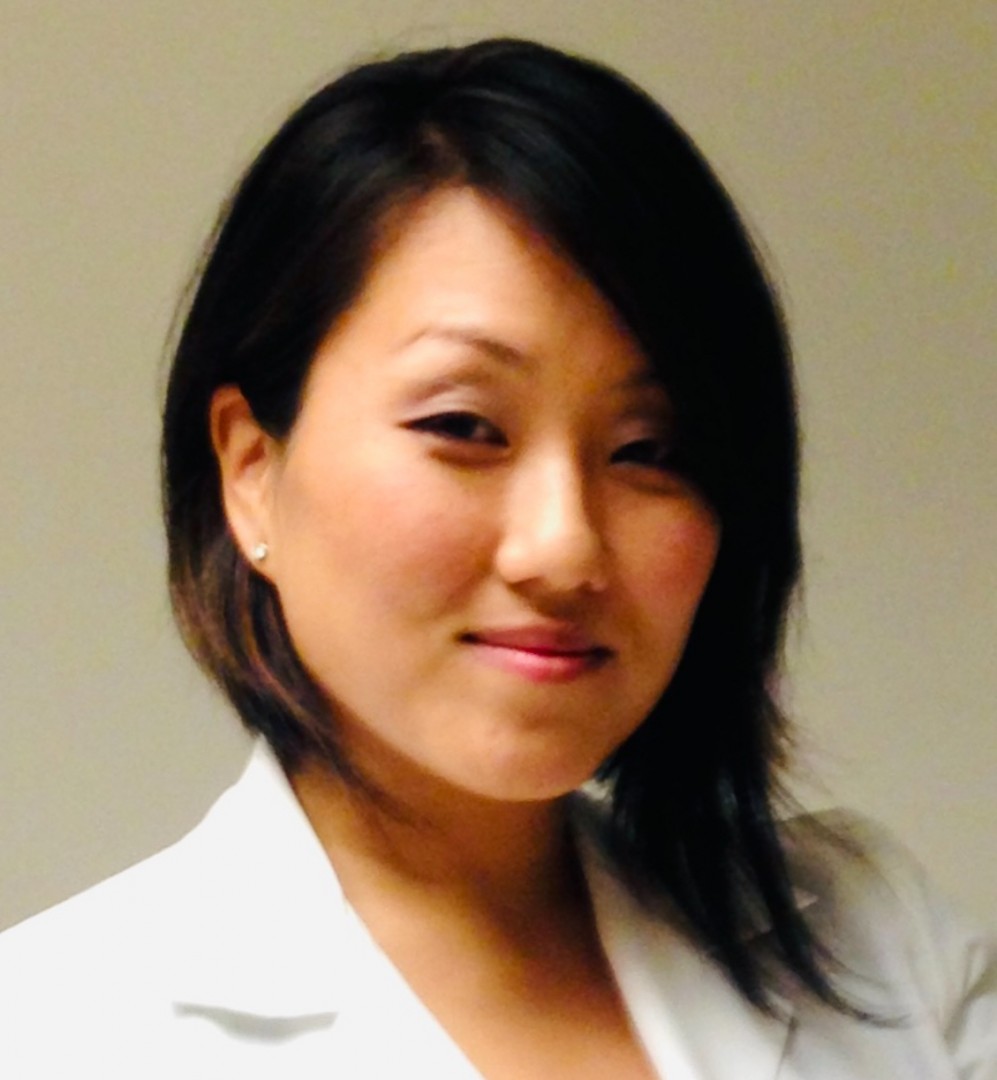
Dr. Kim
Katherine Echo Kim, D.Ac., L.Ac.
Founder, AcuTecture
Doctor of Acupuncture
Nationally Board Certified (NCCAOM)
Lic. Acupuncturist in CT/NY
Integrative Medicine SME
Certified Feng Shui Consultant
Member, AI Taskforce (NCCAOM)
Call or Text to Schedule
1+(203)451-9865 EST
OFFICE LOCATION
1555 Post Road East
Westport, CT 06880